Philosophy: A Handmade Script Font for Crafters and Product Makers
When you spend hours designing labels, packaging, or printable wall art, every detail matters. The font you choose can elevate a simple product into something people pause to admire. That is exactly what Philosophy delivers. This fresh, modern script carries a handmade calligraphy style that feels personal, warm, and polished all at once. Whether you run an Etsy shop, craft for local markets, or create digital downloads, Philosophy brings an authentic hand-lettered look to your work without requiring you to pick up a pen.
Let’s walk through how this script font performs in real projects and why it deserves a place in your design toolkit.
A Script Font That Feels Handcrafted
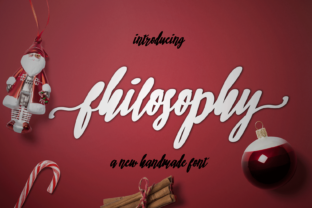
Philosophy is not another mass-produced digital typeface with rigid lines. It has decorative characters and natural sway that mimic real calligraphy. The strokes feel alive, with subtle variation in weight and a rhythm that captures the imperfections of a real brush pen. This handmade calligraphy style makes your projects look like they were written by hand, which is exactly what buyers look for when they want something personal and artisanal.
Because Philosophy is a modern script, it sits comfortably between elegant and approachable. It is fancy enough for wedding invitations but relaxed enough for a coffee shop tag or a farmhouse sign. The balance makes it versatile for both delicate and rustic projects. If you create printable products or SVG-style designs, this font helps you sell a handmade aesthetic without having to photograph actual handwriting.
Philosophy is categorized under Script Amp and Fonts, meaning it belongs to a category of expressive, display-oriented typefaces designed to stand out. It is not a body text font, and it does not try to be. It shines best when you give it room to breathe on labels, cards, and signage.
Where Philosophy Works Best in Your Craft Projects
This handwritten font excels in short, prominent text. Names, titles, short phrases, and decorative wordmarks are where it feels most at home. Here are some practical ways you can use Philosophy in real product work.
Handmade Labels and Product Packaging
If you sell candles, soaps, jams, or bath products, the label is often what catches a customer’s eye first. Philosophy works beautifully for product names, scent titles, or short descriptive lines like “hand poured” or “organic ingredients.” Pair it with a simple sans serif font for ingredient lists or directions, and your packaging looks intentional and boutique-quality. The handmade calligraphy style adds a personal touch that mass-produced labels simply cannot replicate.
Invitations and Wedding Stationery
This font was practically made for invitations. The flowing decorative characters create a romantic, elegant feel for wedding invitations, bridal showers, birthday parties, and baby showers. Use it for the main names, event details, or a short quote on the enclosure card. When printed on greeting cards or printable wall art, the calligraphy style looks crisp and professional. For cutting machine users, test a small version first—Philosophy’s fine strokes require a stable cut setting on materials like cardstock or vinyl.
Boutique Tags and Branding Materials
Small shop owners can use Philosophy to build a consistent brand identity. Put your business name on hang tags, business cards, or product packaging. Because the font has a warm, handcrafted personality, it communicates that your items are made with care. If you sell on Etsy or at craft fairs, a unified look across your tags, stickers, and signs helps customers recognize your brand instantly.
Home Decor and Seasonal Craft Designs
Philosophy works well on farmhouse signs, welcome boards, and seasonal decor. Short phrases like “gather,” “hello fall,” or “bless this home” look natural and artistic. The modern typography also pairs nicely with rustic wood backgrounds, chalkboard textures, or watercolor accents. For SVG-based designs, you can convert Philosophy text into cut files for mugs, shirts, tote bags, or signs. Just remember that very small letters may lose detail, so keep your phrases concise and test your sizing before production.
Digital Downloads and Printables
If you create digital products, Philosophy can be a go-to choice for printable wall art, planner pages, or sticker sheets. The font’s handmade appeal gives your templates an artisanal feel that buyers find worth paying for. When offering editable templates, include Philosophy as the primary font so customers can personalize names or dates and still get that calligraphy look.
How Philosophy Affects Product Presentation and Customer Perception
Your choice of typeface directly influences how people perceive the quality of your work. Philosophy brings a level of sophistication that signals care and detail. Customers often associate handwritten fonts with authenticity, warmth, and small-batch craftsmanship. When you use Philosophy on your product labels, packaging, or social media graphics, you communicate that your brand values artistry over mass production.
The decorative characters add visual interest without overwhelming the design. Because the font stays readable even at moderate sizes, it does not sacrifice clarity for style. This balance is crucial for small stickers or product labels where every pixel counts. For larger items like wedding welcome boards or wall art prints, the calligraphy strokes create an elegant focal point that draws the eye.
For brand identity consistency, using Philosophy across your logo design, business cards, and packaging design helps create a cohesive look. Customers who see your font on a tag and again on a social media post will start to associate that creative font with your specific products.
Practical Readability and Cutting Machine Advice
Every crafter who uses a Cricut or Silhouette knows that not all fonts cut the same. Philosophy is a display font with fine strokes and elegant swashes. When cutting vinyl for mugs or signs, keep your text size at least 1.5 inches tall for the details to remain intact. For small stickers or product labels under one inch, consider using a bold weight or a simpler sans serif font for legibility. Philosophy’s modern script style is best reserved for larger applications where its handmade calligraphy can be fully appreciated.
If you are printing on greeting cards or printable wall art, test a sample at your intended size before running a full batch. Most printers handle the fine lines well, but paper quality matters. Use smooth cardstock or matte photo paper to preserve the crispness of each stroke.
Font Pairing Ideas for Philosophy
A script font like Philosophy pairs best with a clean, neutral counterpart. The goal is to let the calligraphy stand out while the supporting text remains legible and unobtrusive.
- With a sans serif font: Use a simple sans serif font like Montserrat, Lato, or Helvetica for body text, ingredients, or directions. The contrast between fluid script and clean sans creates a balanced, modern look that works well on packaging design and product labels.
- With a serif font: For a more traditional or elegant feel, pair Philosophy with a serif font such as Playfair Display or Georgia. This combination suits wedding invitations, stationery, or printable wall art with a timeless appeal.
- With another handwritten font: If you want a casual, layered look, combine Philosophy with a simple handwritten font that is less ornate. Use Philosophy for the main headline and a more basic script for secondary lines. Be careful not to use two heavily decorative fonts together, as they will compete for attention.
- With a bold display font: For logo design or signage, you can pair Philosophy with a bold display font for contrast. Use the bold font for your brand name in all caps, and Philosophy for a tagline or decorative element.
What to Check Before Using Philosophy Commercially
Before you start using Philosophy for your products, take a moment to review the included file formats. Most premium font packages include OTF, TTF, and sometimes WOFF for web design. Make sure you have the correct format for your design software, whether that is Adobe Illustrator, Canva, Silhouette Studio, or Cricut Design Space.
Check if Philosophy includes alternates, ligatures, and swashes. These extras let you customize the letter connections and add flourish to specific words. OpenType features in programs like Illustrator or InDesign give you access to multiple versions of the same letter so that your text looks hand-drawn rather than repetitive. This is especially valuable for branding materials and printable products where uniqueness matters.
Also confirm whether Philosophy supports multilingual characters if you sell to international customers. Many creative fonts include accented letters, which broadens your market for wedding stationery or greeting cards in different languages.
Finally, always read the commercial font license carefully. Using Philosophy for physical products such as labels, packaging, mugs, shirts, or signs typically requires a license that covers commercial use. If you sell templates, printables, digital downloads, or SVG designs, check whether the license allows embedding the font in editable files or if you need to outline the text. For client work like logo design or branding materials, make sure your license extends to the end product. A proper license protects your business and ensures you can keep selling without legal issues.
Philosophy is more than just pretty letters. It is a practical design asset that helps handmade sellers, crafters, and product creators build a recognizable, heartfelt brand. When used thoughtfully, it turns ordinary labels, cards, and signs into something customers want to hold onto. Add it to your collection of design assets, and start creating products that feel as personal as they look.